Reading a gloss meter without fooling yourself
A number is only useful if it was taken at the same point, at the same angle, on a surface in the same state. Most published readings fail at least one of those tests.
3 minute readPerfect Detailing
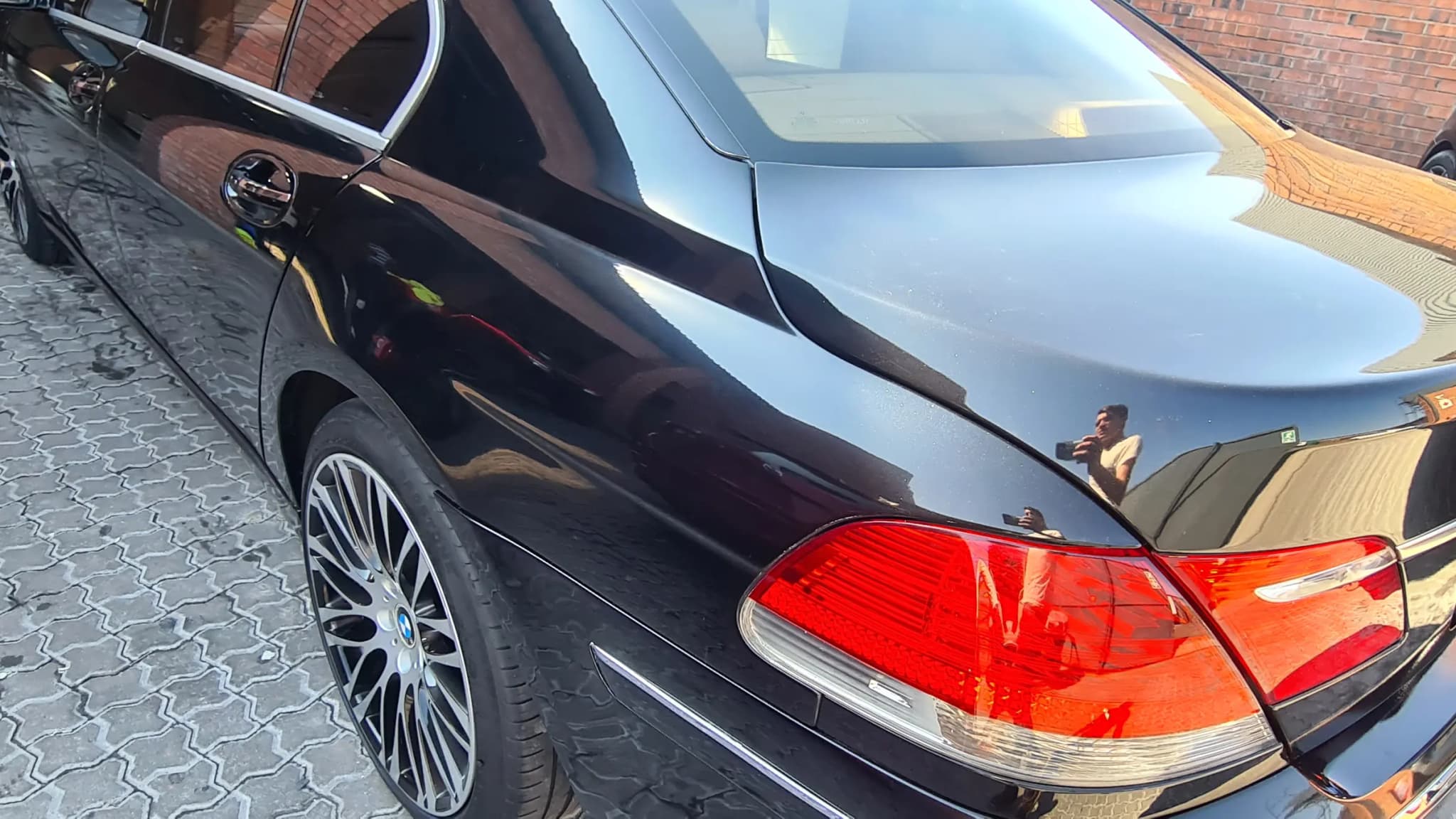
Gloss units are the closest thing detailing has to an objective measure, which is exactly why they get abused.
Three things make a reading meaningless. Taking the 'before' on a dirty panel and the 'after' on a clean one measures washing, not correction. Moving the measurement point between readings measures panel variation, not improvement. And taking the 'after' before a panel wipe measures polishing oils, which will be gone in a fortnight.
Our job cards record the measurement point, the angle and the surface state for every reading, on both sides of the work. It makes our numbers look less impressive than the ones you see online. It also makes them true.
If a detailer shows you a before-and-after gloss figure, the useful question is not what the numbers were. It is where on the panel they were taken, and whether the paint had been wiped down first.